Full-Scale Real Estate Review: Improve Your Asset's Market Value
A thorough estate appraisal serves as an crucial role in determining a property's value, especially after the loss of a family member. It guarantees a fair allocation of assets among beneficiaries and helps in fulfilling financial obligations. Comprehending the multiple factors influencing valuation is important. Additionally, selecting the appropriate appraiser can significantly influence the outcome. With many considerations in play, how can homeowners best ready for this process?
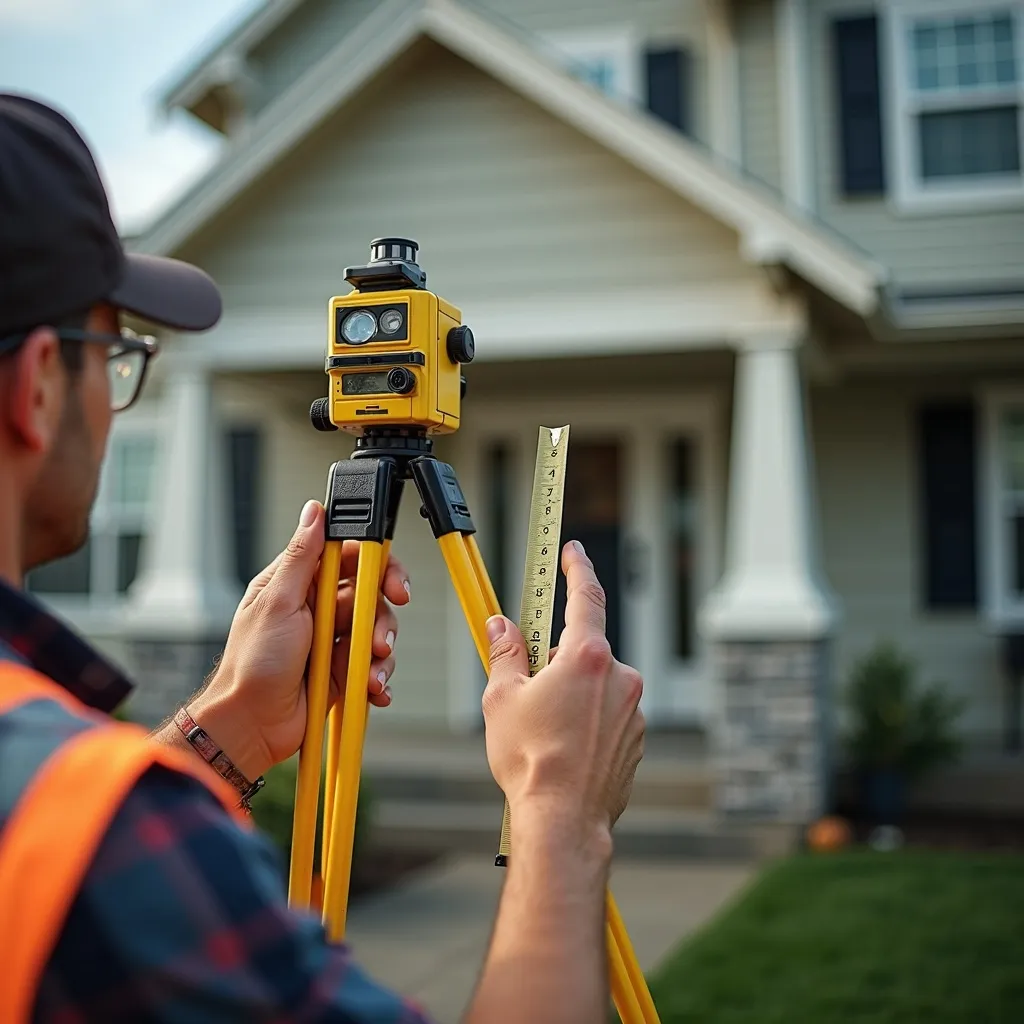
Grasping the Goal of an Estate Evaluation
An estate evaluation functions as an crucial tool in assessing the worth of a deceased person's property. This process is important for multiple purposes, primarily to enable the equitable distribution of property among heirs and recipients. It provides a clear valuation that can assist in resolving debts and tax obligations, guaranteeing that the estate meets lawful standards. Additionally, an accurate valuation aids in reducing disputes among relatives, thereby promoting a smoother transition during what is often a difficult period.
Furthermore, an asset evaluation can also assist in spotting and recording the properties for future generations. It establishes a baseline value that can be referenced for potential sales or taxation purposes. Ultimately, knowing the purpose of an estate appraisal highlights its part in promoting transparency and fairness in the handling of a deceased person's estate, leading to responsible estate planning and execution.
Critical Factors Shaping Real Estate Market Value
Various key elements significantly influence property valuation during an estate appraisal. Location and accessibility often establish a property's desirability, while the condition of the property itself can impact its overall worth. Additionally, analysis of market trends offers understanding into present economic conditions that affect property values.
Location and Convenience
Placement and accessibility serve as pivotal factors in establishing property valuation, influencing buyer interest and market trends. Properties found in desirable neighborhoods, near amenities such as schools, shopping centers, and public transportation, typically command premium prices. Furthermore, access to major roadways and employment hubs improves a property's appeal, making it more desirable to prospective buyers. Regions with low crime rates and excellent school districts typically experience greater demand, further raising property values. On the other hand, properties in isolated locations or those with limited access to essential services may see lower valuations. Understanding these elements enables sellers to effectively position their properties, improving marketability and ensuring ideal returns on investment.
Property Quality Review
necessary part of correct estate
Market Trends Evaluation
Market trends help determine property valuation, guiding buyer behavior and pricing strategies. Factors such as local market circumstances, employment rates, and demographic shifts greatly influence market demand. Additionally, interest rates and availability of financing influence how buyers engage in property purchases. Seasonal trends commonly affect buyer activity, with certain periods recording higher sales volumes. Furthermore, neighborhood developments, such as new amenities or infrastructure projects, can increase property desirability. Understanding these dynamics enables appraisers and property owners to adapt their strategies accordingly. By carefully observing these trends, stakeholders can make informed choices, ensuring that property valuations reflect current market realities and maximizing potential returns. Ultimately, a thorough market trends analysis is crucial for effective estate appraisal.
Guide for Hiring a Qualified Appraiser
Choosing a professional appraiser calls for careful consideration regarding several key factors. Qualifications and prior work hold substantial weight, in addition to the appraiser's acquaintance with the surrounding market. Additionally, understanding the valuation frameworks employed can greatly influence the validity and consistency of the appraisal outcome.
Credentials and Expertise
When looking for a competent appraiser, it is essential to evaluate their credentials and experience, as these elements significantly impact the accuracy and reliability of the appraisal. A qualified appraiser typically holds an appropriate designation from an recognized professional organization, such as the Appraisal Institute or the American Society of Appraisers. Additionally, substantial experience in the industry, particularly with the kind of property being appraised, is essential. Prospective clients should inquire about the appraiser's history, including the amount of appraisals completed and any areas of expertise. It's also beneficial to check for professional development, which indicates a dedication to staying current with industry standards and practices. Collectively, these components guarantee a well-rounded professional capable of delivering accurate appraisals.
Local Market Expertise
Recognizing regional market conditions is essential for appointing a experienced appraiser, as their familiarity with the area can greatly impact the appraisal's accuracy. An appraiser with thorough knowledge of the regional property market will be best suited to assess property values determined by recent sales, neighborhood trends, and economic indicators. It is sensible to identify appraisers who have maintained a presence in the specific locality for several years, as they will possess insights into particular aspects shaping property worth. Additionally, checking for local certifications or memberships in relevant associations can further confirm an appraiser's proficiency. Ultimately, selecting someone proficient in regional market dynamics can provide a more precise and valuable property valuation.
Valuation Framework Utilized
The appraisal methodology implemented by a qualified appraiser is a critical component shaping property valuation. Appraisers generally use three main approaches: the sales comparison approach, the replacement cost method, and the revenue-based method. The sales comparison approach assesses similar properties recently sold within the region, while the cost approach estimates the expense of replacing the property less depreciation. The income approach is frequently applied for income-generating assets and calculates revenue generation capacity. When engaging an appraiser, individuals must emphasize qualifications, such as certifications and professional experience. It is also important to assess their understanding of market trends and property types. A experienced appraiser can provide a detailed assessment, guaranteeing accurate and beneficial property valuation for inheritance planning.
Ready Your Home for an Appraisal
Readying a property for appraisal is critical for receiving an accurate valuation. Homeowners ought to start by confirming that the property is spotless and uncluttered, which allows appraisers to observe its full potential. Surface-level enhancements like fresh paint or minor repairs can substantially boost appeal.
Moreover, it is advisable to obtain important files, including previous appraisals, tax assessments, and property disclosures, as these lend useful information for the appraiser. Landscaping should also be maintained; well-maintained gardens and lawns can deliver a good initial impression.
Finally, property owners should be ready to provide a list of distinctive improvements and enhancements, as these factors may influence the overall value. By following these measures, homeowners can facilitate a smoother appraisal process and potentially maximize their property's value.
Numerous typical errors can impede the estate appraisal process and possibly result in inaccurate assessments. One common error is neglecting to supply complete and accurate details about the property. Partial information can skew the appraiser's understanding, causing miscalculations. Another error is failing to consider recent market trends and similar sales, which can greatly impact home values. Overlooking required maintenance or improvements also creates a problem; appraisers must evaluate the current condition of the property's accurately.
Moreover, depending solely on web-based valuation instruments can deceive property owners, as these tools often lack local market nuances. Sentimental attachment to the real estate may cloud judgment, leading to unrealistic expectations regarding worth. Finally, not hiring a qualified appraiser can compromise the appraisal's integrity. By steering clear of these common pitfalls, homeowners can ensure a more precise and advantageous estate appraisal.
Increase Your Property Value Through These Strategies
Strategic approach for boosting property value includes both visual and practical improvements. First, enhancing curb appeal is essential; simple landscaping, fresh paint, and well-maintained walkways can make a lasting first impression. Inside, updating kitchens and bathrooms often produces the greatest profits. Modern fixtures and energy-efficient appliances can draw potential buyers.
Also, decluttering and staging the home make it more attractive and allow prospective buyers to imagine themselves residing in the space. Investing in small fixes, such as repairing dripping taps or installing new floors, can also greatly enhance attractiveness.
In addition, incorporating smart home technology offers a contemporary benefit that numerous clients desire. In conclusion, understanding local market trends and pricing strategically can position the property favorably. By implementing these strategies, property owners can boost their asset's value and guarantee a more favorable appraisal conclusion.
What to Take Action on After Your Appraisal?
After putting into place methods to increase real estate worth, the next steps following an appraisal are critical. Property owners should initially examine the appraisal report carefully, making sure they comprehend the valuation and any factors influencing it. If inconsistencies or issues occur, it is important to address them promptly, potentially via a conversation with the appraiser.
Next, owners should evaluate their financial objectives. Whether preparing to sell, obtain refinancing, or retain the property, matching approaches with the valuation try this results is essential. For those selling, leveraging the assessed value can direct pricing and promotional approaches successfully.
Additionally, investors might reach out to property advisors for guidance on industry trends, ensuring they take advantage from their property's value. Finally, staying informed about ongoing property improvements and market conditions can aid in sustaining or strengthen value over time, making the appraisal a foundational tool in long-term property management and strategy.
Regularly Requested Questions
How regularly Times Should I Have My Estate Assessed?
Professionals advise property appraisals every three to five years, or following substantial modifications, such as renovations or market fluctuations. Consistent evaluations ensure property values accurately reflect current conditions, supporting educated choices for owners and potential buyers.
Can I challenge an assessment amount I differ with?
Yes, an person can challenge an appraisal value they disagree with. This procedure generally requires submitting documentation backing their case, such as market comparisons or home condition, to the appropriate agency or appraisal board for evaluation.
What Paperwork Is Necessary for an Appraisal?
An property evaluation necessitates essential documents which typically comprise property deeds, previous appraisals, tax assessments, renovation records, and any relevant photographs. These materials facilitate the appraiser in accurately assessing the property's current market value.
What is the standard timeframe for an property assessment?
A real estate appraisal typically requires between one to three hours, reliant upon the property's size and intricacy. However, final documents may necessitate additional time for evaluation and paperwork before finalization and submission to the customer.
Will an Appraisal Value Affect My Property Taxes?
An assessed value can significantly affect property taxes. Local tax authorities often use appraised values to determine tax assessments, meaning a higher appraisal may result in increased property taxes, impacting the owner's financial responsibilities.